Eerie Wheater

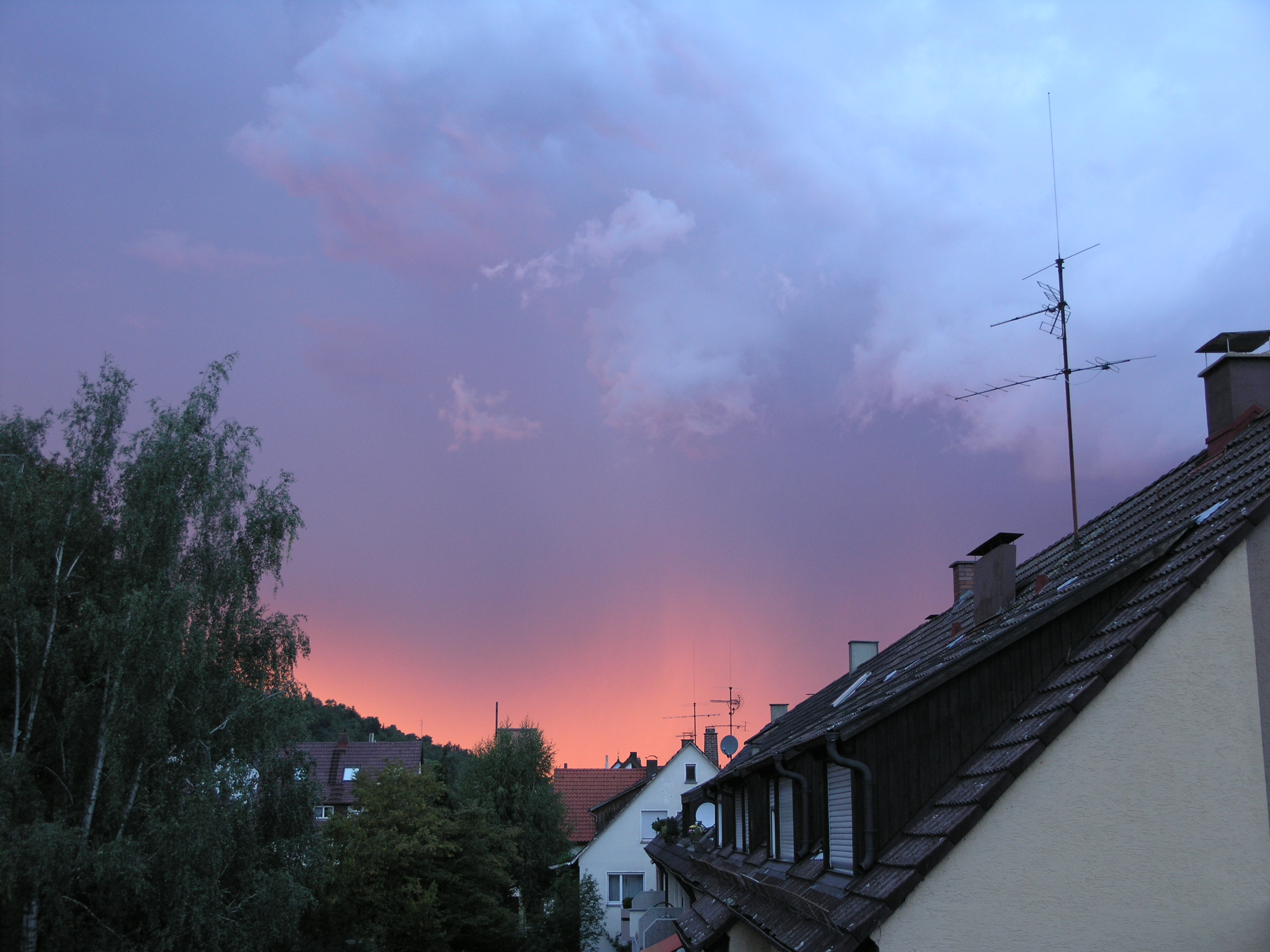
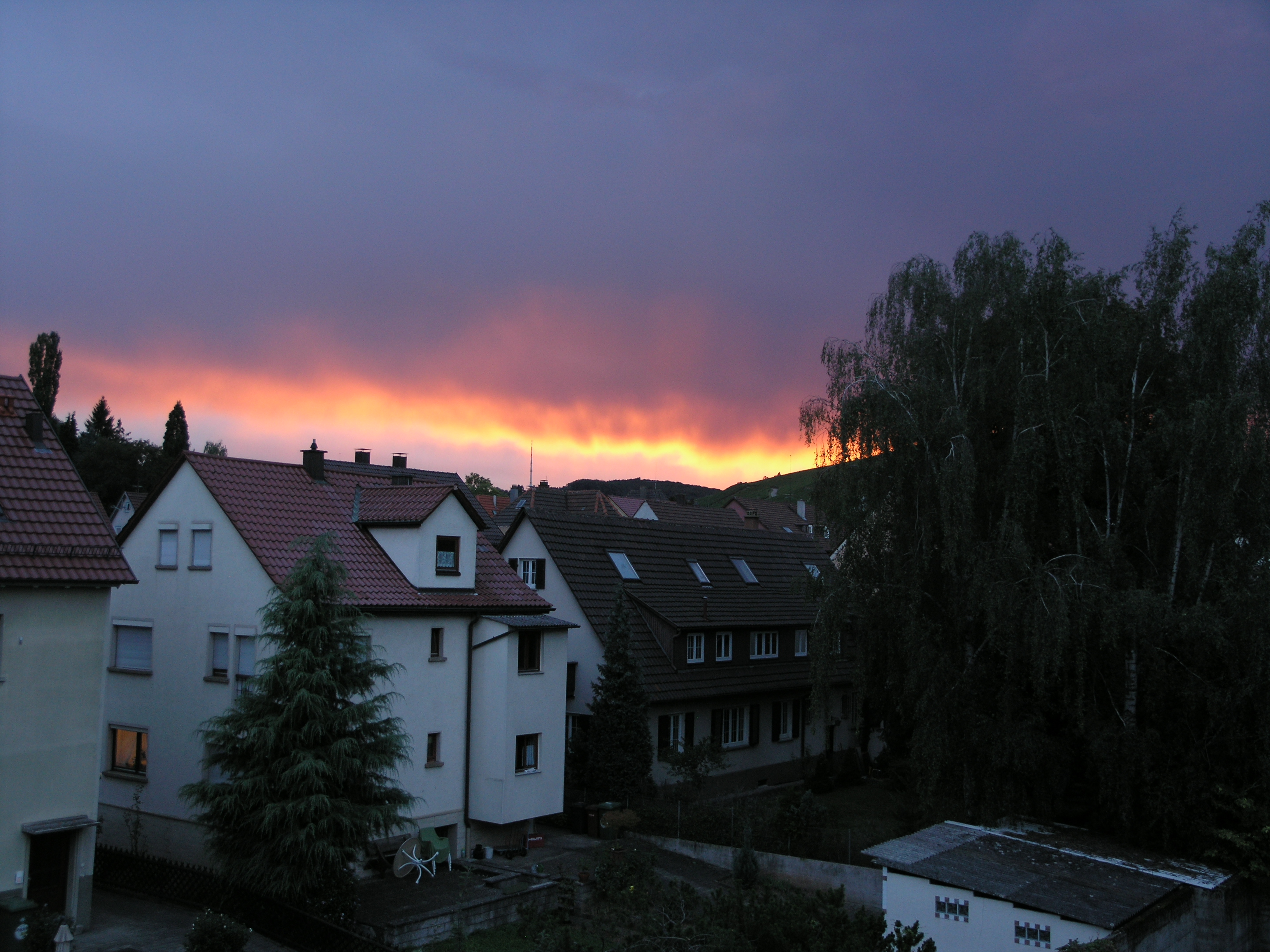
Last week a minor thunderstorm passed us by – close enough to paint our sky with weird colors. The clouds stopped short of the horizon causing the buildings on the ground to have an unreal glow. On sunset it looked like the clouds caught fire. The following photos are some original captures of the event (no Gimp involved).

The glow The glow Fire in the sky Fire in the sky
Creative Commons License

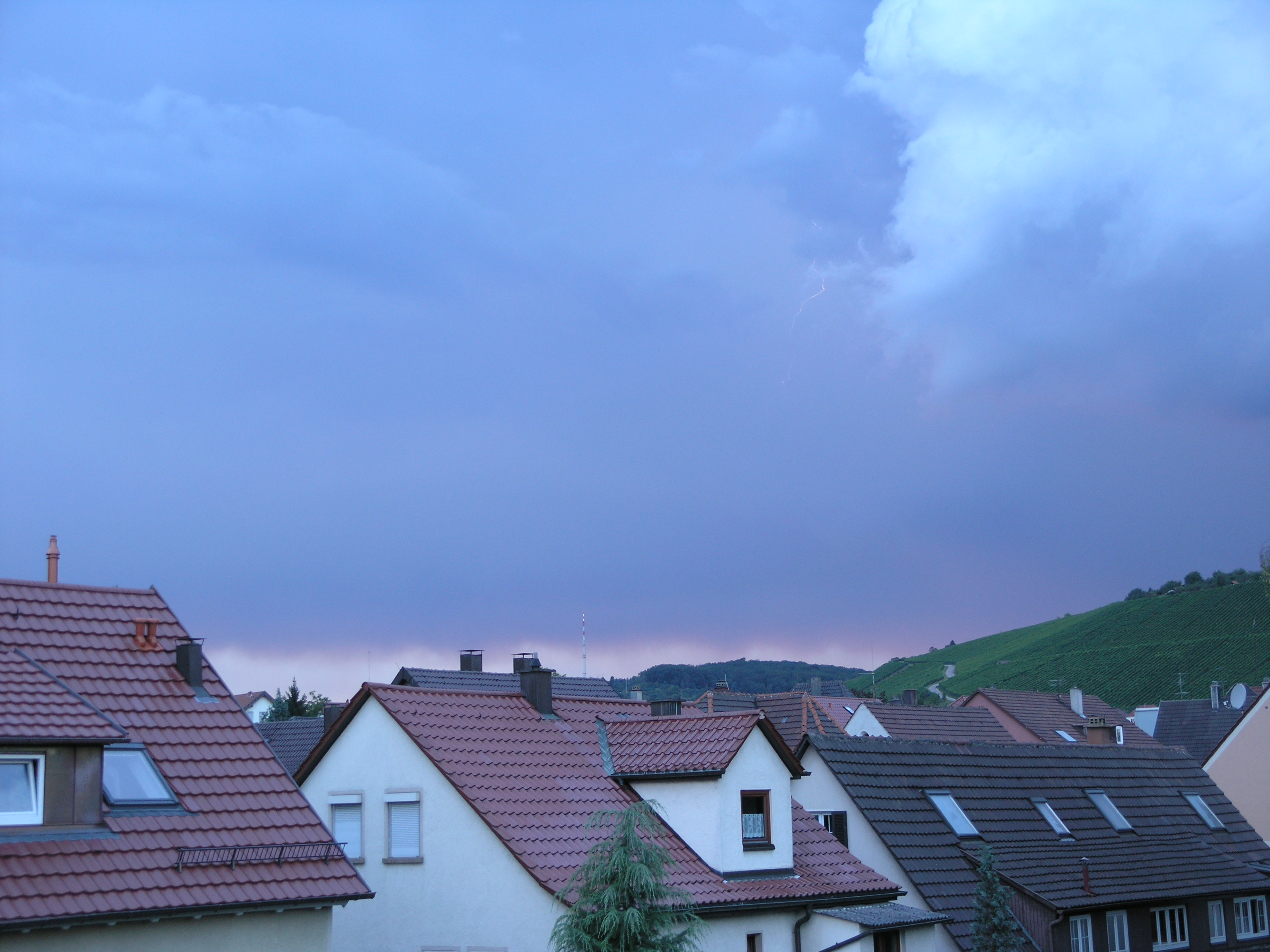
The funny thing is, I shot more than 140 pictures in order to capture some lightning without noticing that I had success with the very first one:

Lightning
Creative Commons License

Yeah I know, it’s tiny. Maybe next summer – seems like thunderstorm season is over for this year.

Bugzilla Vandalism

Those imbecile spammers are killing my time yet again: now that I have established successful strategies to keep them out of my inbox and to stop them publishing spam comments here (Akismet filtered 179 comments so far and counting), they started targeting bugzilla. On Monday I noticed several new attachments to Bug #9 (of our local bugzilla installation) which I closed three years ago.

After identifying the attachments as spam, I dug around for a remedy. Unfortunately I had to learn that the bugzilla developers have not addressed this issue yet, but I found this script by Jonathan Cheyer that enables easy bug, comment and attachment removal for spam users. The script has a minor flaw though: it’s written in Ruby. Due to Adrian’s foresighted policy of minimized package installation however, this server has no Ruby installed. Running the script remotely is not an option either.

I figured I would have to port the script: my choice would have been Python but the database bindings are not installed either, so I had to do it the good old bash way. The script is not available for download as its state cannot be considered ‘releasable’ yet. I will happily give it to people asking for it, if they don’t mind destroying their bugzilla installation.

The script worked as expected – our bugzilla is spam free again. I just hope I don’t have to run it too often in the future.

Comb Free TV

Ever since purchasing a full-featured DVB card, I always wanted to test the popular VDR package. As I don’t have a TV connected to the card, I had to analyze other options to visualize the VDR output somehow. After a disappointing session with streamdev, I started using xineliboutput and it works like a charm.

VDR seems much more robust than the other options I have been looking at so far. One thing I have been missing with xineliboutput is the Xine‘s bob deinterlacer for the xvmc and xxmc drivers. I prefer this deinterlacer as it does not reduce the framerate (unlike many others) and it utilizes the GPU, so watching TV with decent quality does not reduce my machine’s performance notably.

So I modified xineliboutput in order to use that deinterlacer – my little patch is available right here. To use it, you will have to install the xineliboutput plugin with my patch applied, and then activate the bob filter in ~/.xine/config_xineliboutput:

video.device.xvmc_bob_deinterlacing:1

Now, run 'vdr-sxfe --video xxmc' to watch comb free TV (on nvidia cards). To use xvmc instead replace ‘xxmc’ with ‘xvmc’ in the patch, note that I tested this with the xxmc driver only.